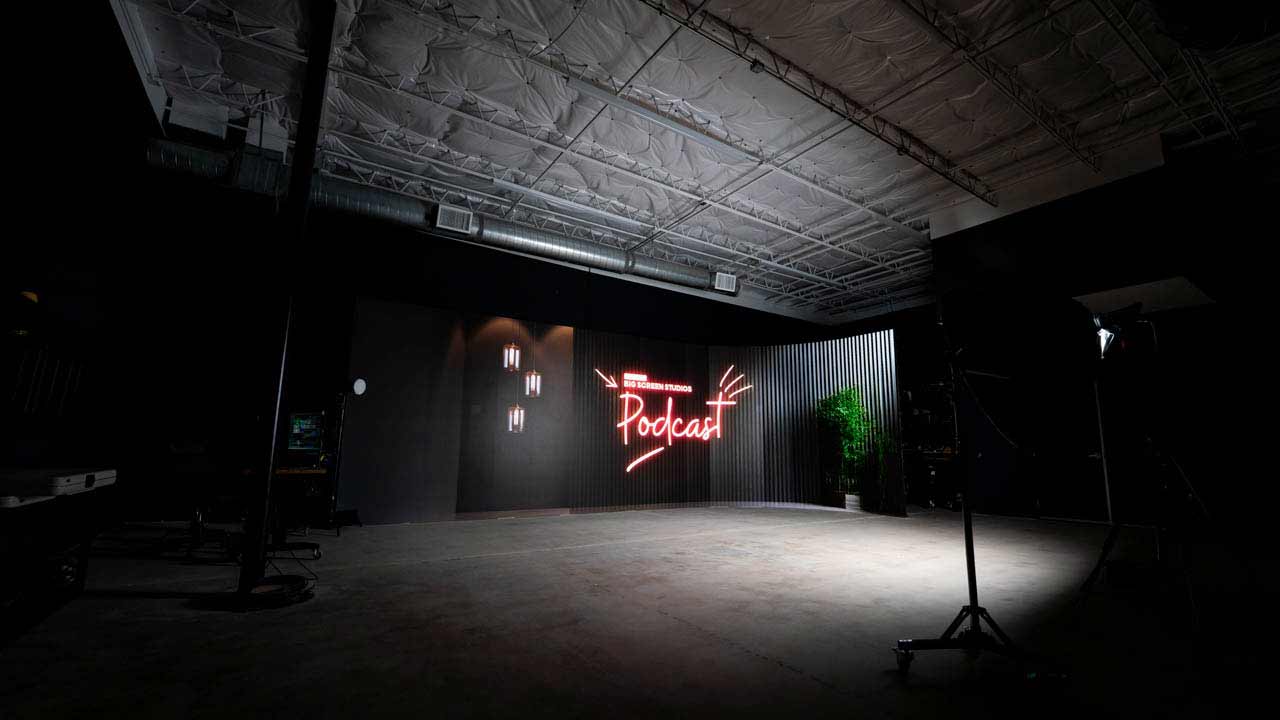
Industry
Why Dallas Businesses Are Investing in Professional Content Studios
More companies across DFW are moving away from DIY setups and into professional studio environments. Here's why the shift is happening.
Big Screen Studios
Production insights, studio updates, and perspectives on the content landscape from the Big Screen Studios team.
More companies across DFW are moving away from DIY setups and into professional studio environments. Here's why the shift is happening.
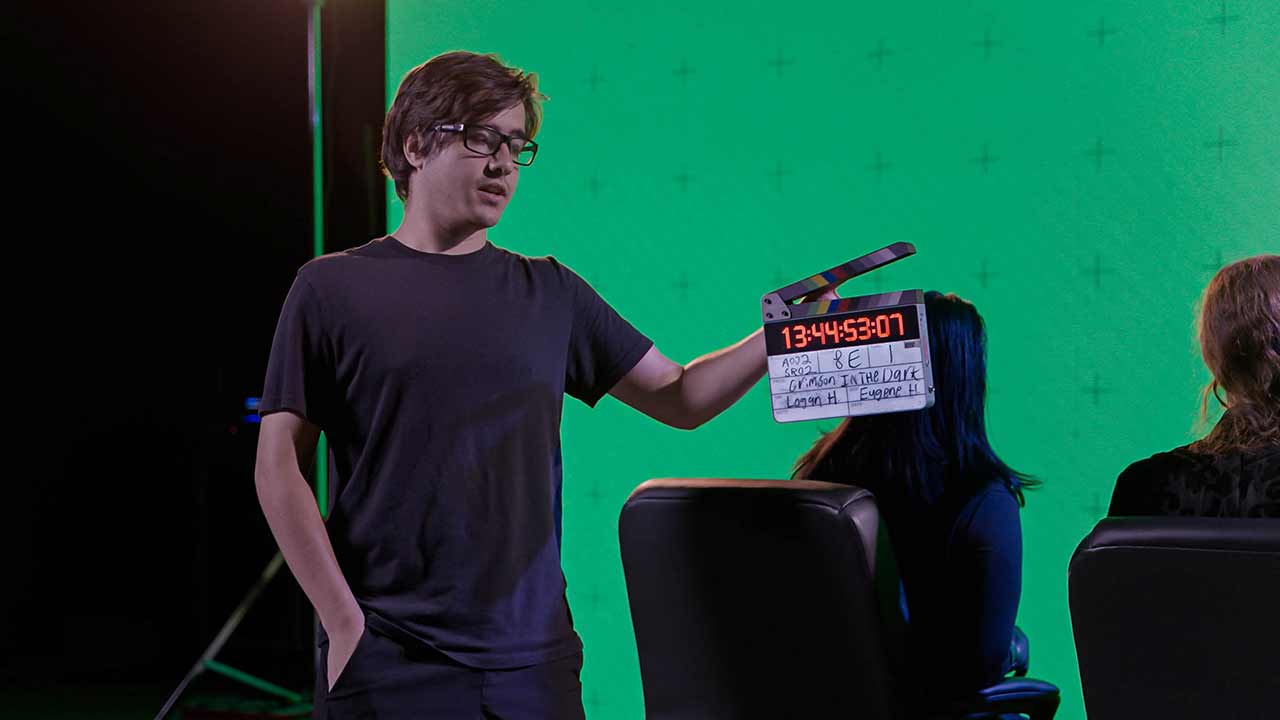
LED volumes and green screens both create virtual environments, but they work very differently. Here's how to decide.
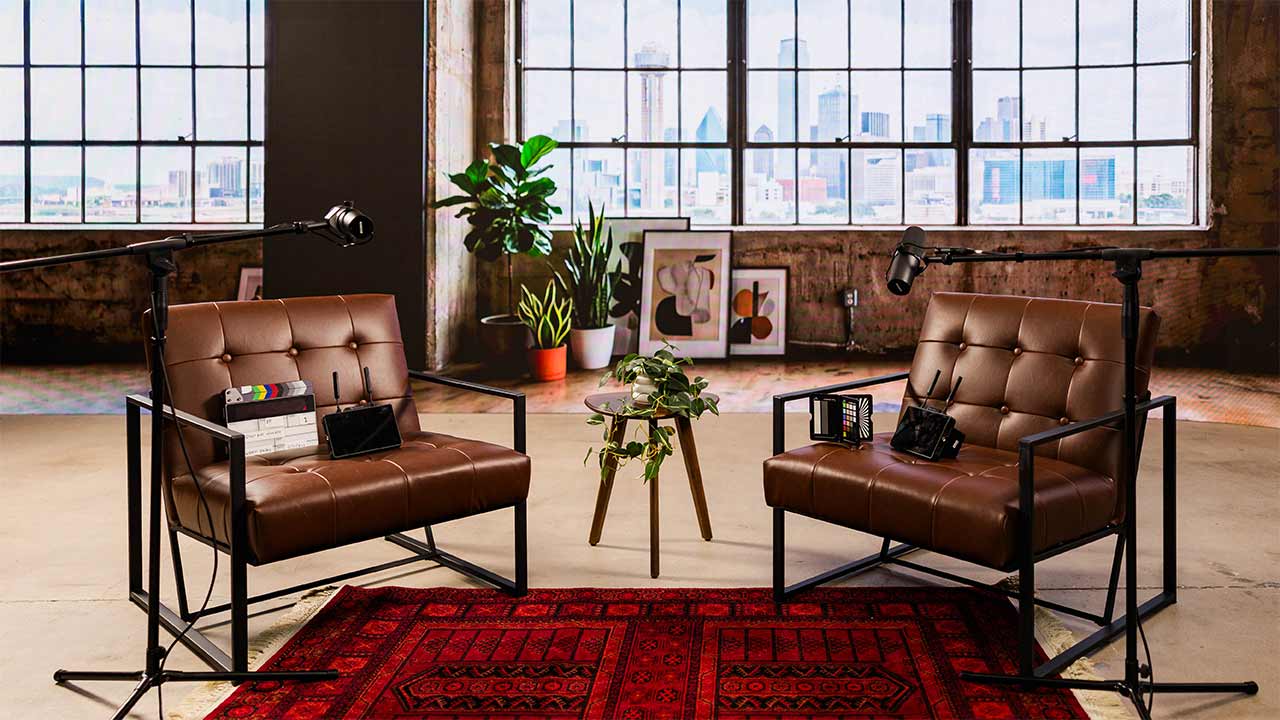
The equipment list for even a modest video podcast setup grows quickly: microphones, interface, cameras, lighting, treatment, mounts, monitoring, and backups.
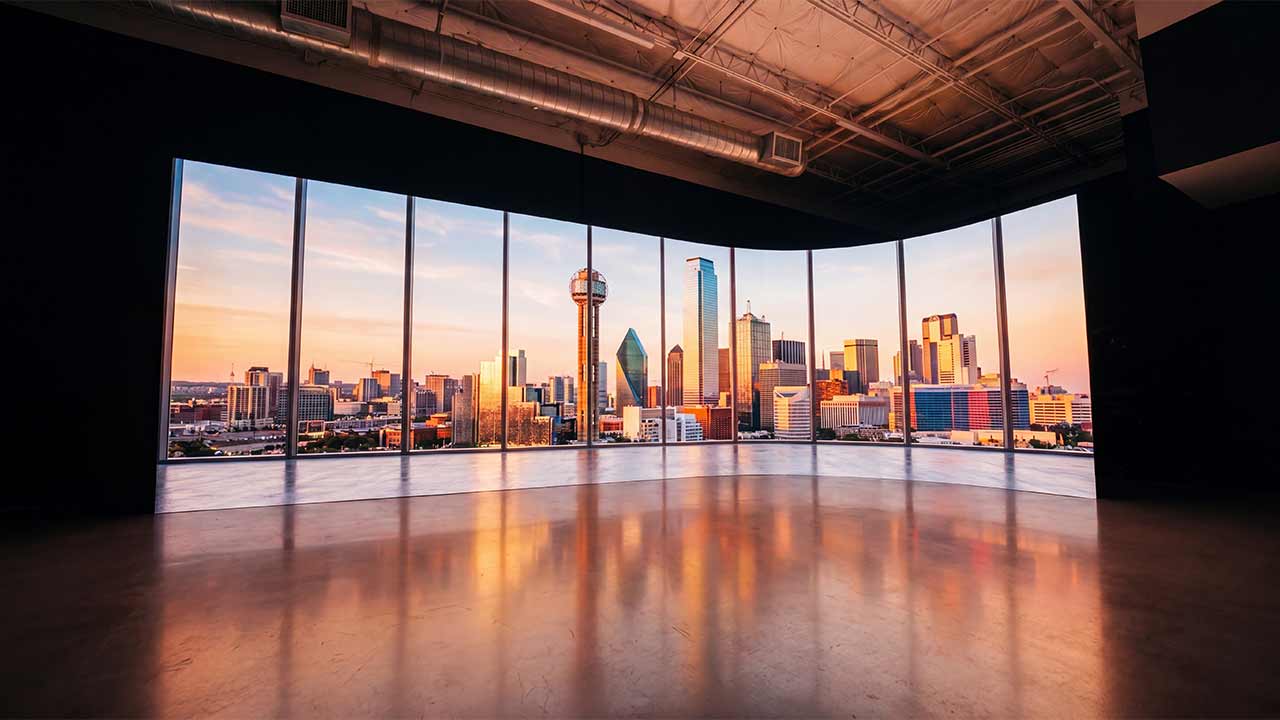
Bringing a production to Dallas–Fort Worth? Logistics make or break the schedule. Why the Richardson / North Dallas corridor is a practical base.
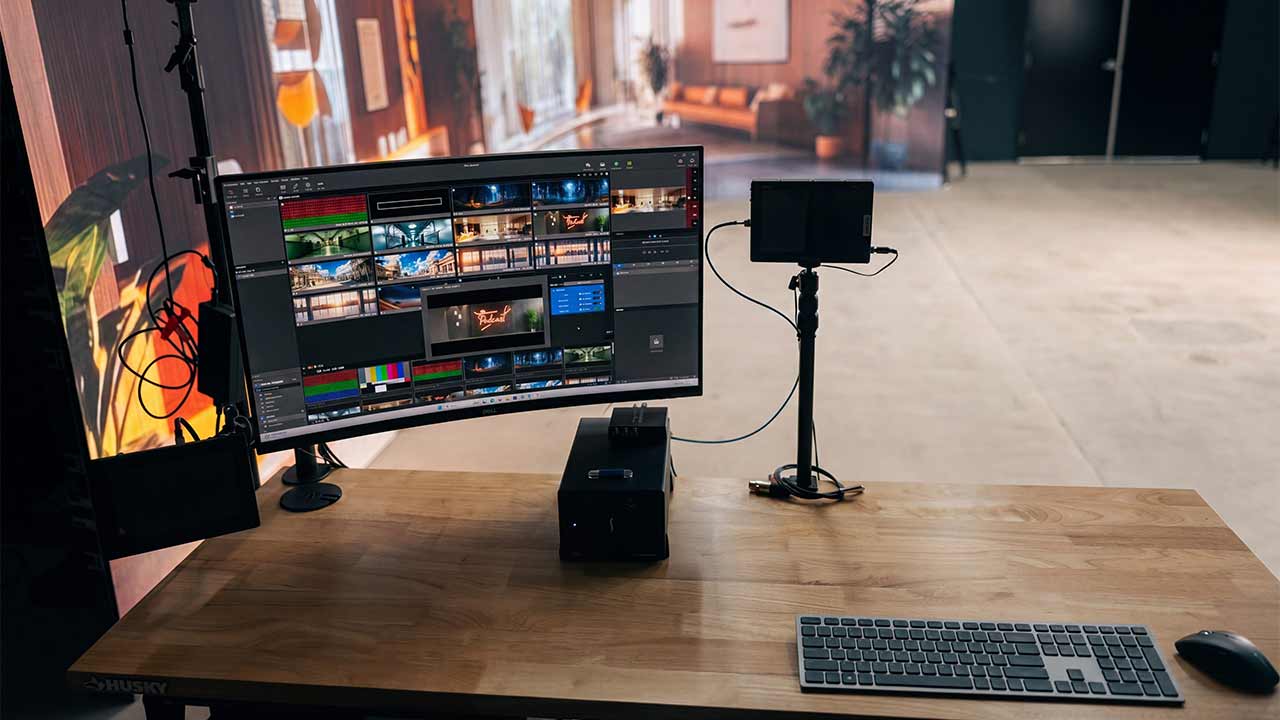
Every content studio offers some version of two options: you run the equipment, or the studio does. The price difference is real, but so is the value gap.
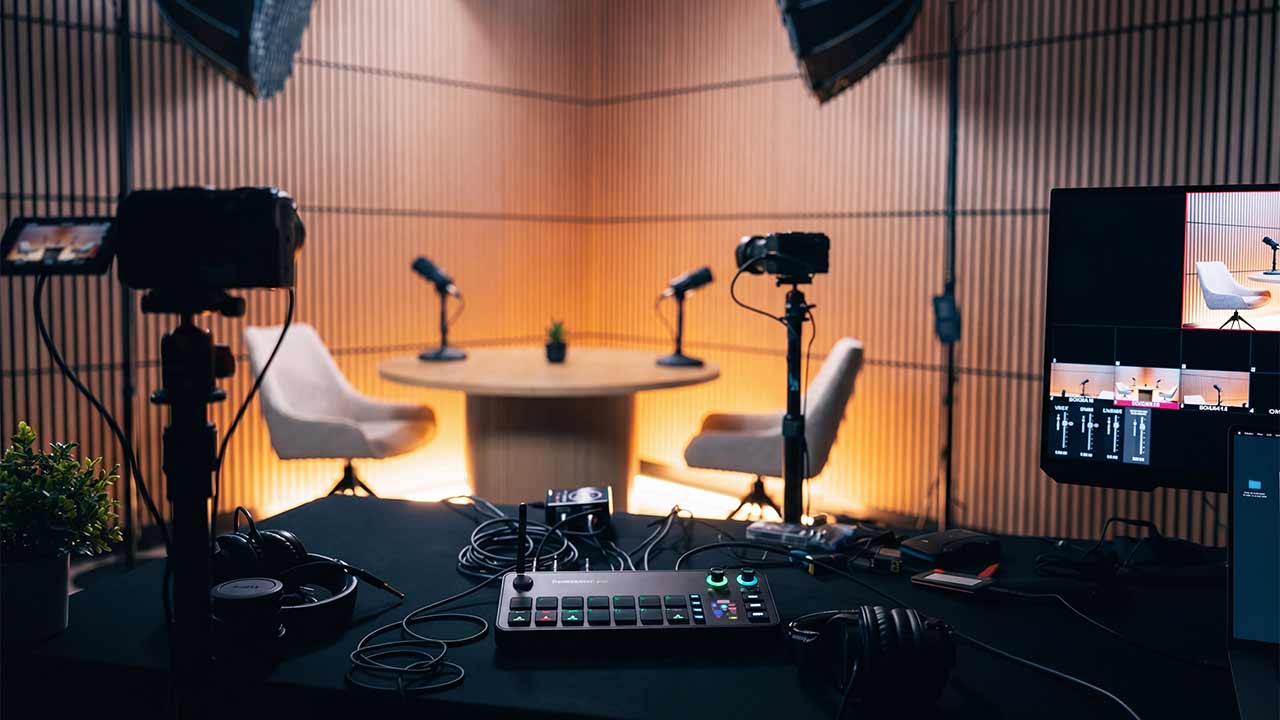
For business content, video usually beats audio alone: one recording becomes clips, social posts, and a YouTube library.
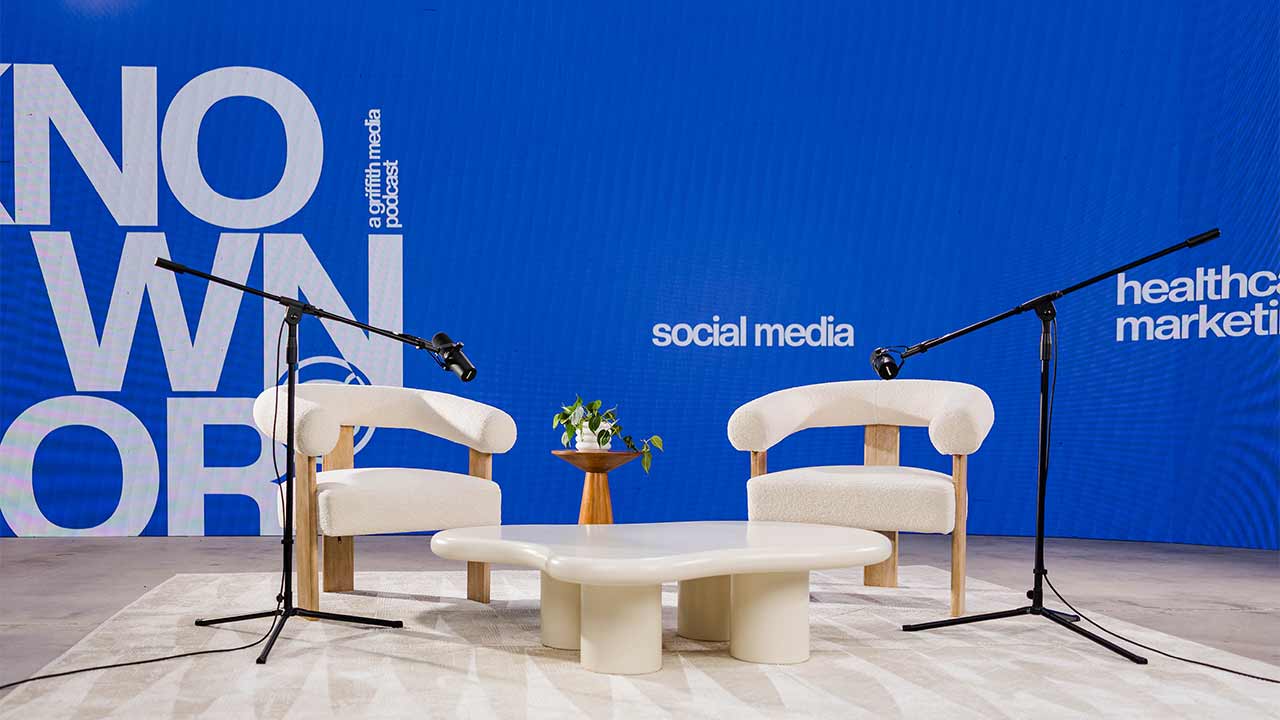
Most business podcasts quit before episode ten. The teams that last planned for the operational load up front. Here is what that takes.
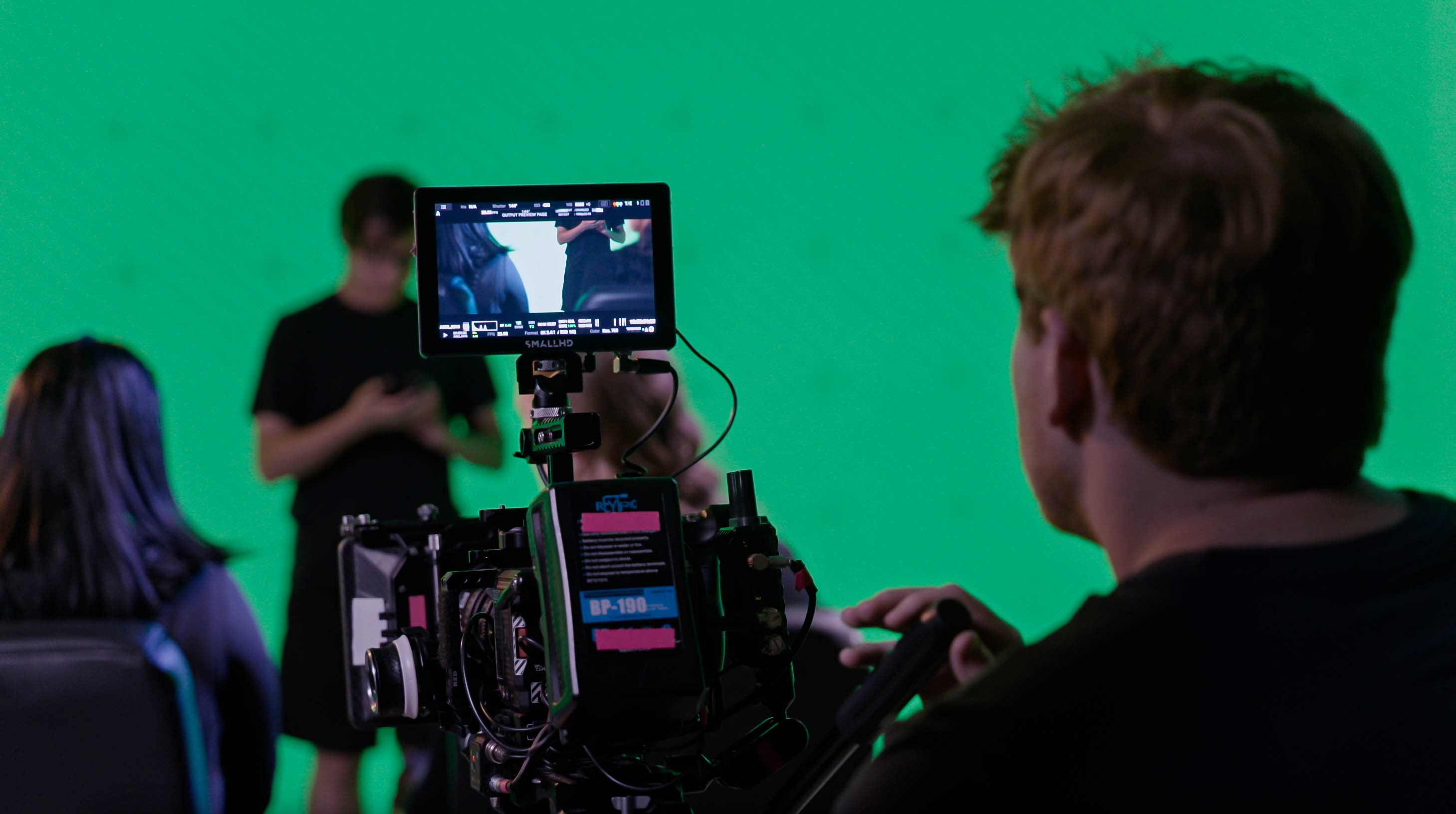
Green screen replaces the background later. An LED wall displays the environment during the shoot.
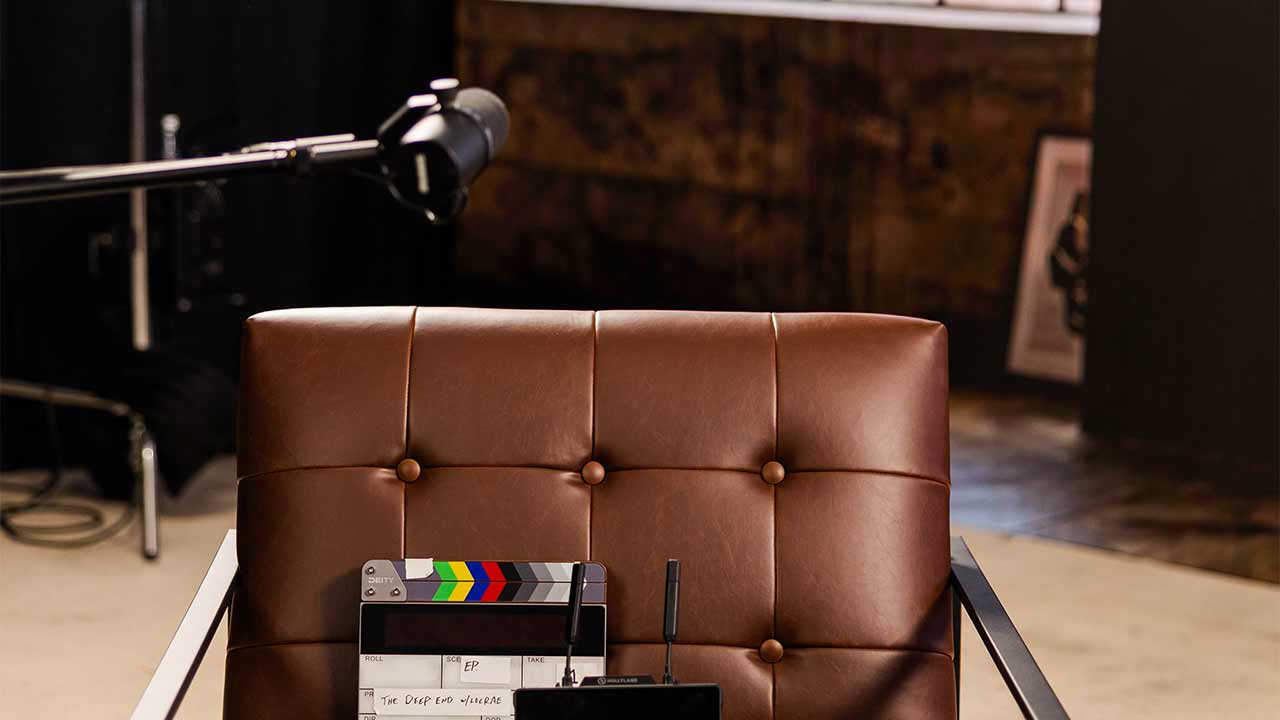
Most business video podcasts fail within a few months, and the reasons are usually predictable.
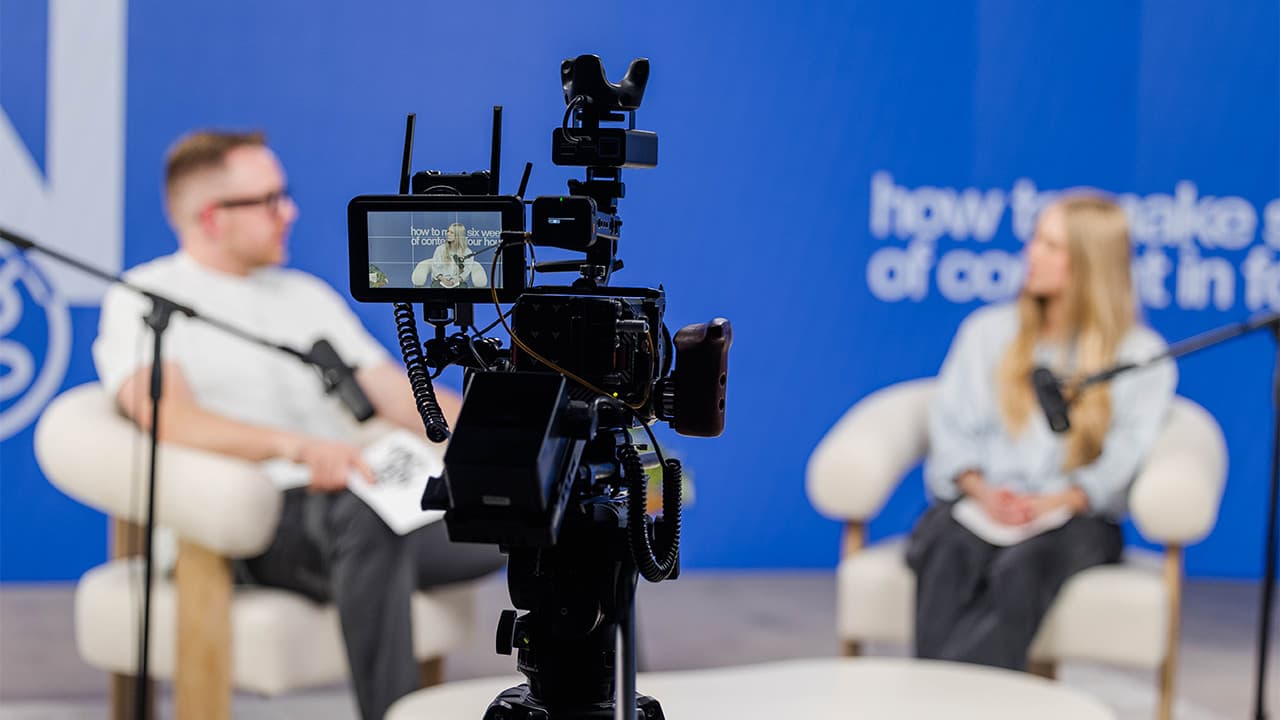
Most business podcasts do not fail because the idea is weak. They fail because the production process is too heavy to sustain.
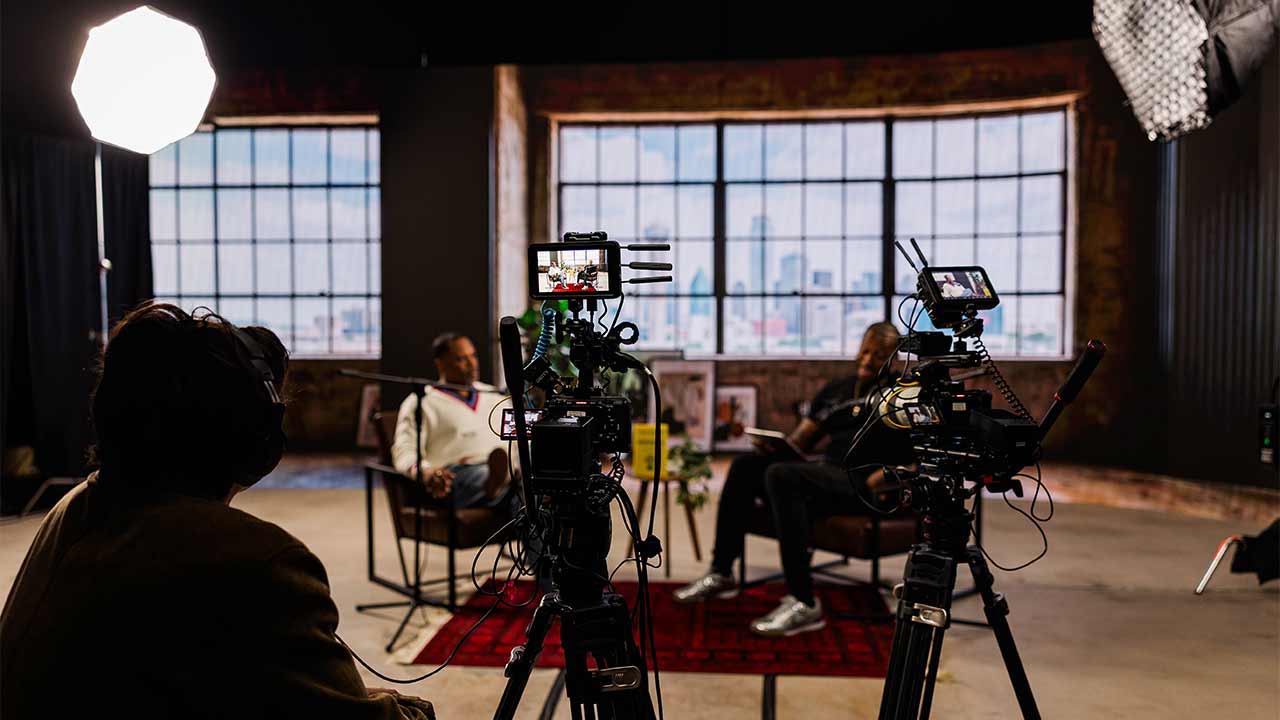
A full episode should be the beginning of the content system, not the end product.
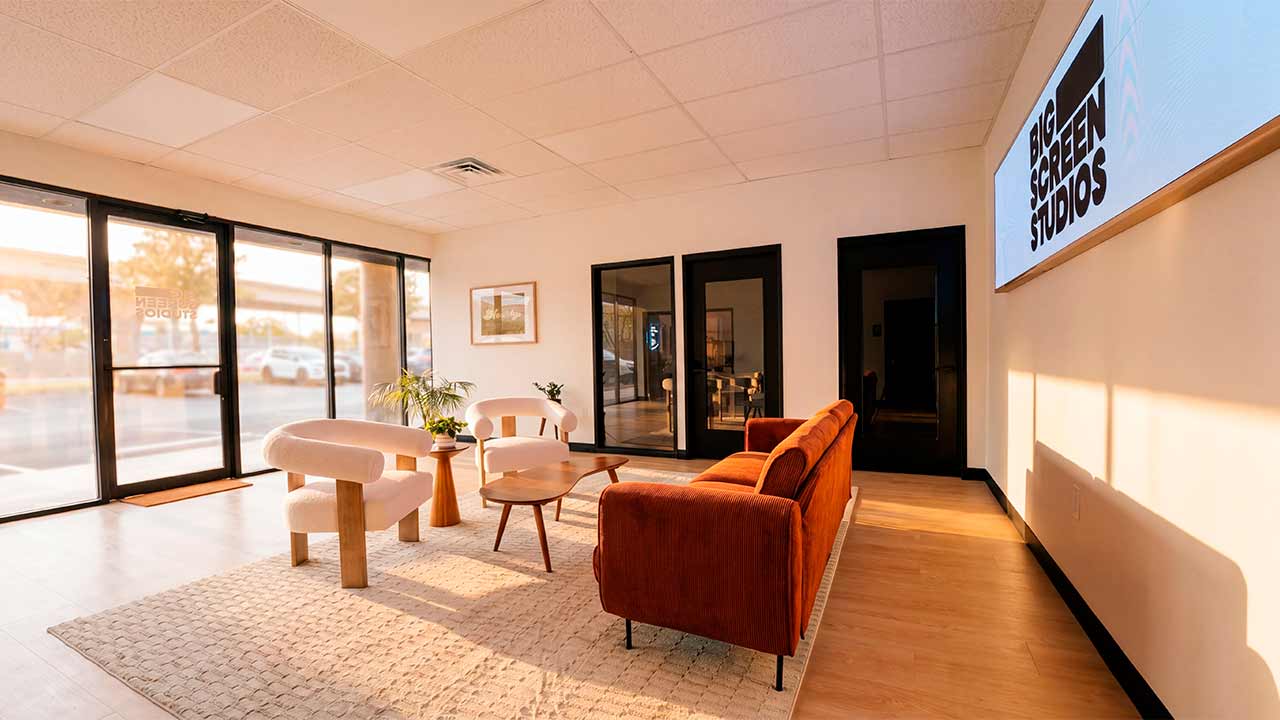
A facility buyout means your production has operational control of the environment, not just access to one room.