LED Stage vs. Green Screen: Which Is Right for Your Production?

Virtual production has changed what's possible for branded content, commercials, and corporate video. But the technology behind it matters — and the two main approaches couldn't be more different. (Short on time? The LED Wall vs Green Screen explainer is the two-minute version of this post.)
How Green Screen Works
Green screen (chroma key) replaces a solid-colored background with a digital one in post-production. It's been the standard for decades and works well for simple composites.
The downsides: talent can't see what's behind them, lighting has to be managed carefully to avoid spill, and the final composite often looks artificial without significant post-production work.
How LED Stages Work
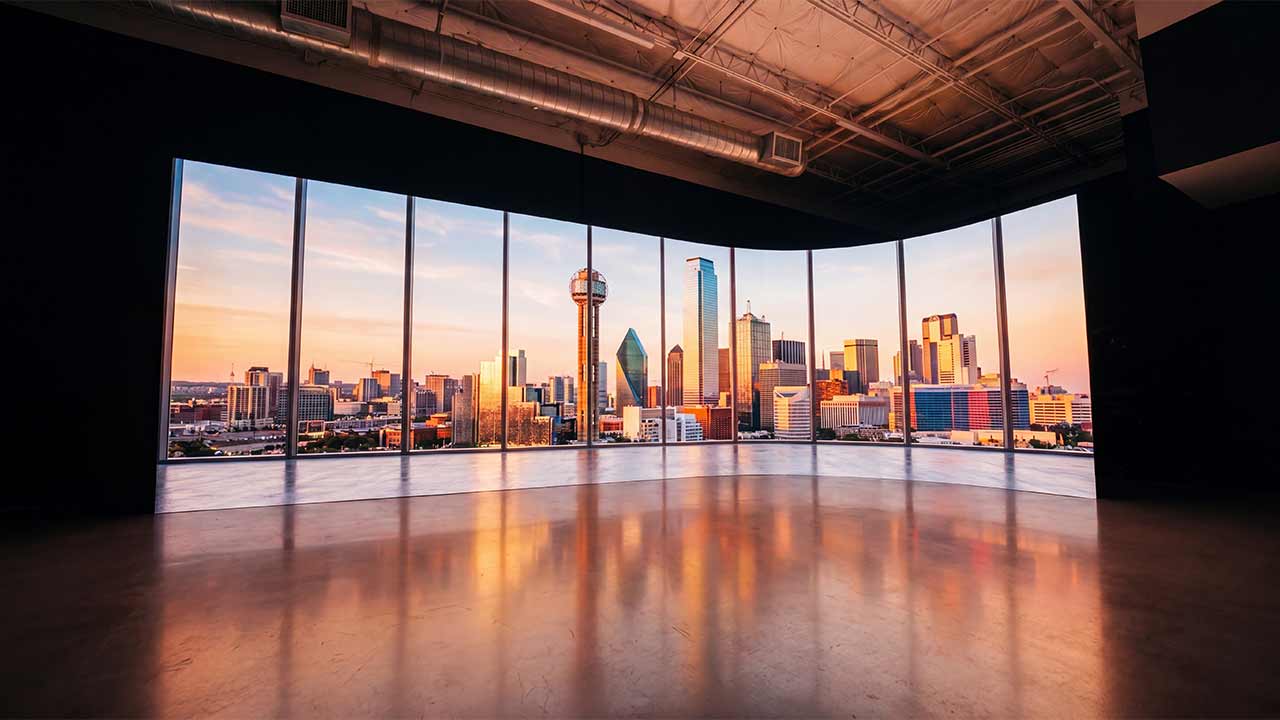
An LED volume displays the virtual environment in real time on massive LED panels surrounding the set. Talent sees the environment. The camera captures it live. Reflections and lighting happen naturally.
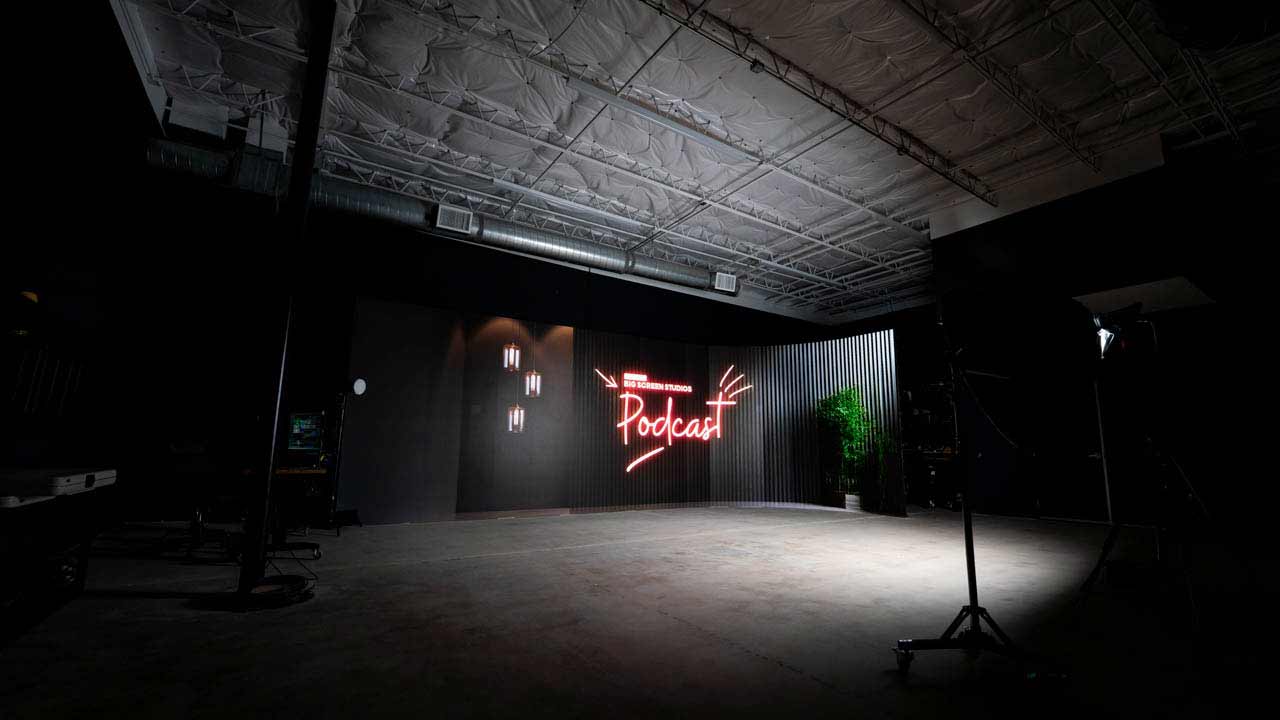
The result is footage that looks finished in-camera, with dramatically less post-production required. Our 32-foot curved LED stage is built around exactly this workflow.
When to Use Each
Green screen works best when: - Budget is extremely tight - The background is simple and static - You have a strong post-production team
LED stage works best when: - You need realistic environments with natural lighting - Talent needs to interact with the background - You want to minimize post-production time and cost - Brand quality is a priority
The Bottom Line
Green screen is a tool. LED stages are an environment. For brands producing high-end content that needs to look polished without weeks of post work, LED is increasingly the right call.
Want to see the stage in person before committing? Book a tour — we'll show you a live skyline plate and walk through how a typical shoot day runs. If your production needs the whole facility locked down, a facility buyout is also on the table.